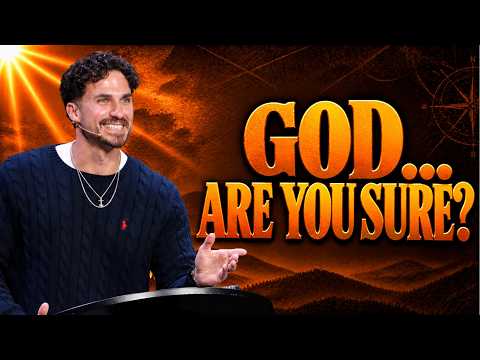

Take this message with you through a journey of Scripture, reflection, and prayer.
Summary
Themes
Pastor's Points
Key Points
- 1.God does not need our money; everything in the world already belongs to Him, as stated in Psalm 50.
- 2.Generosity cannot buy salvation or favor with God, because our identity and standing are rooted entirely in Jesus Christ.
- 3.Faith does not mean doing foolish things with money or breaking prior financial promises made to lenders.
- 4.Biblical teachings about money are ultimately about the state of our heart, our identity, and what we value most.
- 5.Passive giving leaves only leftovers, whereas active, intentional giving treats resources like seed planted strategically for a harvest.
- 6.There is a direct correlation between our financial investment in God's work and our spiritual maturity and joy.
- 7.God's grace abounds toward those who trust Him, ensuring that believers are supplied to carry out every good work.
- 8.Generosity in God's economy operates on higher principles where the cheerful giver is blessed and enriched to be generous in every way.
Sermon Moments
“Saying God needs my money is the spiritual equivalent of saying the Pentagon needs my BB gun.”
“The illustration of the dusty basement elliptical showing how passive convenience rarely produces real sacrifice or health.”
“The reminder that Bill Gates giving $5 million is spare change, but a faithful believer giving intentionally from modest income moves heaven.”
“Martin Luther's reflection: 'I have had many things in my hands that I have lost. The things that I placed in the hands of God, I still have.'”
“The challenge to review your phone's banking app to see what your heart truly values in 30 seconds.”
This Week
Remember This
Radical generosity is unlocked when we trust God as our ultimate provider and intentionally align our finances with His heart and kingdom.
A Challenge for You
This week, sit down around your table, remove every ounce of financial guilt, and ask how your household can generously align its resources to reflect the heart of a God who gives continuously.These are personal sermon notes shared to help you remember the message — not a replacement for Scripture, your church, or your pastors.
Read each passage, or hear where it was taught.
Continue this series
Freedom! Taking Dominion Over Your Banking App