

Take this message with you through a journey of Scripture, reflection, and prayer.
Summary
Themes
Pastor's Points
Key Points
- 1.You are tough to love, so loving difficult people begins with recognizing our own flaws and complications.
- 2.Everyone is fighting a battle, meaning behind every difficult behavior lies a personal backstory that requires empathy.
- 3.Jesus went first, demonstrating ultimate love by dying on the cross for us while we were still sinners.
- 4.Horizontal relationships with people only work when we maintain a priority on our vertical relationship with God.
- 5.Jesus taught in Matthew 7:3 that we should stop obsessing over the speck in someone else's eye while overlooking the log in our own.
- 6.Although tax collectors were hated traitors in the first century, Jesus saw Matthew's potential and transformed his life.
- 7.Gratitude transforms how we treat difficult people when we stop complaining about what they lack and focus on what they offer.
Sermon Moments
“The only shot we have at those horizontal relationships working is to get back to remembering our vertical relationship with God.”
“Step one in loving people who are tough to love: You are tough to love. I am tough to love.”
“Every single person that you meet is fighting a battle, and there is a backstory to every behavior.”
“Jesus went first. We are only able to love because Christ first loved us while we were still sinners.”
“When it comes to loving people who are tough to love, gratitude goes a long way—start being grateful for the qualities they do have.”
“Jesus didn't just see what was, he saw what could be.”
This Week
Remember This
We are empowered to love difficult people only when we remember our vertical relationship with God and realize that Jesus loved us first when we were tough to love.
A Challenge for You
The only shot we have at those horizontal relationships working is to get back to remembering our vertical relationship with God. Love God with all your soul, with all your heart, with all your strength, and then you will find the strength to love your neighbor as yourself.These are personal sermon notes shared to help you remember the message — not a replacement for Scripture, your church, or your pastors.
Read each passage, or hear where it was taught.
Continue this series
Summer Lovin'
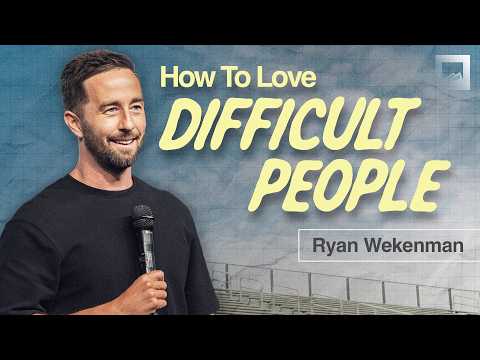
Part 2 · Current
39:46When People Are Tough to Love
Ryan Wekenman · Red Rocks Church
Jun 28, 2026
Read notes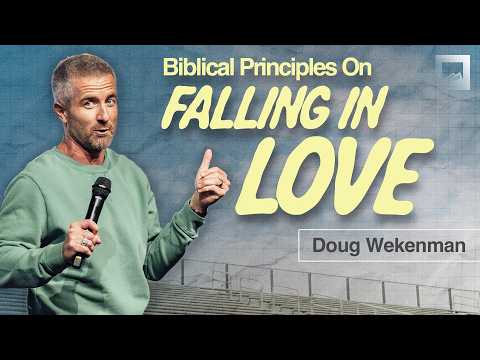
Sermon
50:07We've Lost That Lovin' Feeling
Doug Wekenman · Red Rocks Church
Jun 14, 2026
Read notes
Sermon
41:01The One Verse That Will Change Your Marriage
Shawn Johnson · Red Rocks Church
May 31, 2026
Read notes